Vehicle tinting has recently become widespread in the Kingdom of Saudi Arabia, as it is an essential step in maintaining cars amidst extreme temperature rises. Tinting protects the vehicle from harmful UV and infrared rays. But what is the permitted tinting percentage in Saudi Arabia? What are the different tinting shades, and is there a difference between "01" and "02" tinting? Below, we answer everything on your mind and all you need to know about tinting and thermal insulation.

What is the Permitted Tinting Percentage in Saudi Arabia?
The General Department of Traffic in Saudi Arabia has stated that the permitted tinting percentage is 30%. This percentage is calculated based on the amount of light entering the vehicle, meaning that the visible light transmission (VLT) must not be less than 30%. In other words, tinting levels like 40% or 50% transparency are allowed, while 25% or 15% transparency is not permitted.
What is Tinting and What are its Benefits?
Before diving into tinting shades, let’s define what tinting is and its advantages:
First: What is Tinting?
It is the application of specialized materials to darken vehicle glass in various shades and colors to insulate against sunlight and resulting heat. This aims to protect the car from wear and tear while maintaining privacy.
Second: What are the Benefits of Tinting?
- Thermal Insulation: It blocks harmful rays that heat the car's interior, preventing erosion and damage.
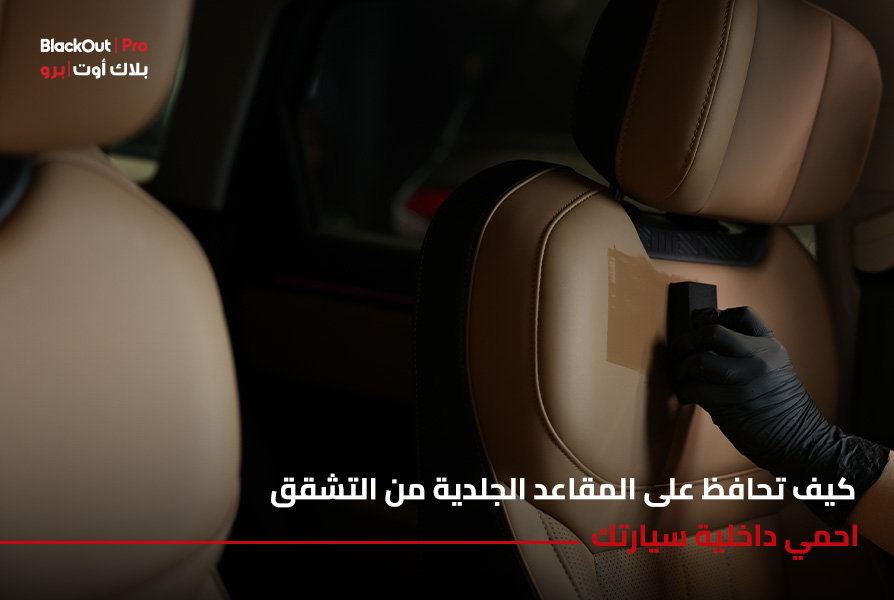
- Upholstery Protection: It prevents sunlight from entering, protecting seat upholstery from fading and damage for as long as possible.
- Climate Control: It maintains a moderate and cool temperature inside the car, extending the lifespan of the air conditioning system.
- Paint Protection: It helps protect the car’s finish from scratches and fading while giving it a distinctive shine.
- Privacy: It maintains the privacy of your family and belongings inside the vehicle.
What are the Tinting Shades? What is the Difference Between 01 and 02, and Which Lasts Longer?
Tinting levels vary based on the percentage of sunlight allowed to pass through. Here are the common grades and the differences between them:
First: Tinting Grades
- 00 Tint: This is the closest to transparent, providing minor heat and light rejection (between 50% to 55%). it allows for clear vision and is permitted in Saudi Arabia.
- 01 Tint: A shade darker than 00, it allows clear vision and blocks a good percentage of heat and light (40% to 50%). This grade is permitted in Saudi Arabia.
- 02 Tint: Darker than 01, it provides excellent rejection of heat, light, and harmful rays (30% to 40%). This is also within the permitted limits in Saudi Arabia.
- 03 Tint: Darker than all previous grades, commonly referred to as "Katm" (Blackout). It allows less than 20% of light to pass. While it blocks sunlight very effectively, it impairs clear vision, which can cause accidents. It is illegal in Saudi Arabia and carries a traffic fine between 500 SAR and 900 SAR.
Second: The Difference Between 01 and 02 Tinting
The primary difference is that 02 is darker than 01, meaning it blocks more light and harmful rays. It is ideal for those who prioritize privacy. However, it still allows for clear vision due to its high transparency levels, which is why the Traffic Department considers it a safe and appropriate percentage.
Third: Which Grade Lasts Longer?
This is a common misconception; one specific grade does not inherently last longer than another. The longevity of the tint depends on:
- Quality: Whether the film is original or a commercial imitation.
- Installation: Whether it was installed by a professional or has defects.
- Maintenance: Whether it is cleaned with specialized materials or harsh, abrasive chemicals.

Types of Vehicle Tinting
Types vary by manufacturing material, features, and effectiveness. There is a difference between "standard tinting" (which only reduces light) and "thermal insulation" (which reduces light and blocks heat/UV).
- Dyed Tinting: The most affordable type. It is a transparent film with black dye. However, it is affected by heat over time and does not provide good thermal insulation.
- Metallic Film: Made of various metals. It is a good insulator against heat and UV rays, but it can interfere with mobile signals and GPS.
- Non-Metallic Film: One of the more expensive types. It contains no metal, meaning it won't interfere with GPS or mobile signals. It is classified as high-quality thermal insulation.
- Nano-Ceramic Technology: The most popular and effective type. It blocks heat and UV rays while reducing glare for safer driving. It doesn't fade, doesn't affect electronic signals, and is considered one of the best thermal insulators for cars.
- Carbon Film: Made of carbon fibers, it gives a matte finish. it blocks about 40% of infrared rays responsible for heating the interior. It is highly durable and suitable for regions with high temperatures.
Tips for Perfect and Legal Tinting:
- Adhere to the 30% opacity rule (70% transparency) to avoid fines.
- Do not tint the front windshield at any percentage to ensure safety and legality.
- Avoid reflective (mirrored) or patterned films.
- Choose a reputable and reliable center to ensure high-quality materials and professional installation.
- Avoid parking in direct sunlight for extended periods to preserve the film's condition.
- Use specialized cleaning agents and avoid harsh household mixtures.
Conclusion:
We hope this guide has covered everything you need to know about vehicle tinting in Saudi Arabia and the differences between grades 01 and 02. Now, you can choose the tint that best suits your needs while staying within legal limits.
To learn more, read our guide on tinting violation.
To learn more, read our guide on thermal tinting.