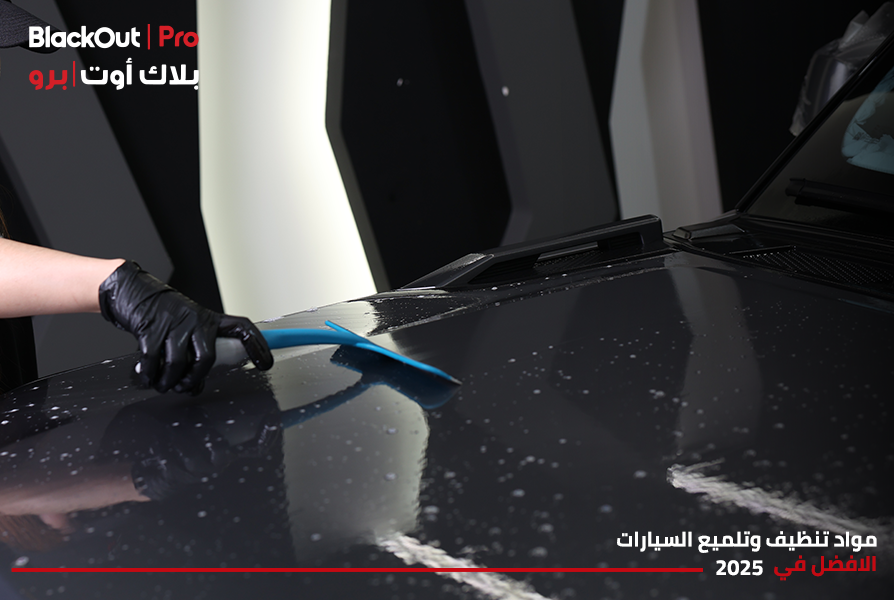
There is no doubt that cleaning and polishing are among the most important ways to maintain a car's attractive appearance. Consequently, the demand for these services has surged, leading to a wide variety of cleaning and polishing products on the market. Brands are competing to produce the best car care products, ranging from exterior solutions to specialized interior treatments. In this article, we will discuss the essential materials for both interior and exterior car care.

Car Cleaning and Polishing Materials
There are numerous tools and materials aimed at restoring the shine of both the vehicle's paint and its interior. Key items include:
Exterior Cleaning and Polishing Materials
To clean and polish your car’s exterior effectively, you can use the following:
- Soft Sponges: Used to safely remove dust and grime from the surface and to distribute polish evenly across the paint.
- Specialized Exterior Cleaners: These include dedicated soaps for the body paint, tire cleaners, and specialized solutions for headlights and glass.
- Exterior Polishes: This category includes traditional waxes and nano-ceramic polishes. Nano-ceramic is highly recommended as it protects the paint from scratches while significantly increasing luster.
- Microfiber Cloths: Essential for drying the vehicle after cleaning and buffing away excess polish.
- Detailing Brushes: Used to agitate and remove dirt from intricate, hard-to-reach areas.
- Automated Polishing Machines: Found in professional workshops, these are among the best methods for polishing when handled by skilled technicians to ensure optimal results.
Inter ior Cleaning and Polishing Materials
- Interior-Specific Soft Sponges: Designed to clean the dashboard, screens, and seats without causing damage.
- Specialized Cleaners for Each Part: It is vital not to use a single cleaner for everything. You need a dashboard cleaner (with moisturizing properties to prevent cracking), a screen and glass cleaner, and specific detergents for leather or fabric seats and flooring.
- Interior Polishes: Each component requires its own polish. For example, a dashboard polish should contain conditioners to prevent dryness and cracking, which differs from seat or screen polishes.
- Vacuum Cleaners: Used to suction dust and debris from the cabin and floor mats.
- Microfiber Cloths: Their high absorbency and softness make them perfect for removing excess cleaners and polishes, preventing the buildup of sticky residue that attracts more dirt.
Benefits of Regular Cleaning and Polishing
Maintaining a periodic cleaning and polishing schedule offers several key benefits:
- Pollutant Removal: Cleaning removes water spots, bird droppings, grime, and road debris that can eat into the paint.
- Prevention of Buildup: Regular maintenance prevents dirt from hardening; heavy accumulation often requires aggressive cleaning that can damage the surface.
- Defect Correction: Polishing removes light scratches, swirl marks, and minor paint imperfections, leveling the surface for a smooth finish.
- Protection: Polishing creates a barrier against weather, heat, and UV rays—especially when utilizing nano-ceramic technology.
- Longevity: Consistent care extends the vehicle's lifespan and keeps both the interior and exterior looking brand new.

To learn more, read our guide on remove deep car scratches.
To learn more, read our guide on polishing tools.
Conclusion
Regularly cleaning and polishing your car helps preserve its condition and market value. To achieve the best results, always use the appropriate cleaning and polishing materials specifically designed for each part of your vehicle.
Read also: Best Car Care Products 2025