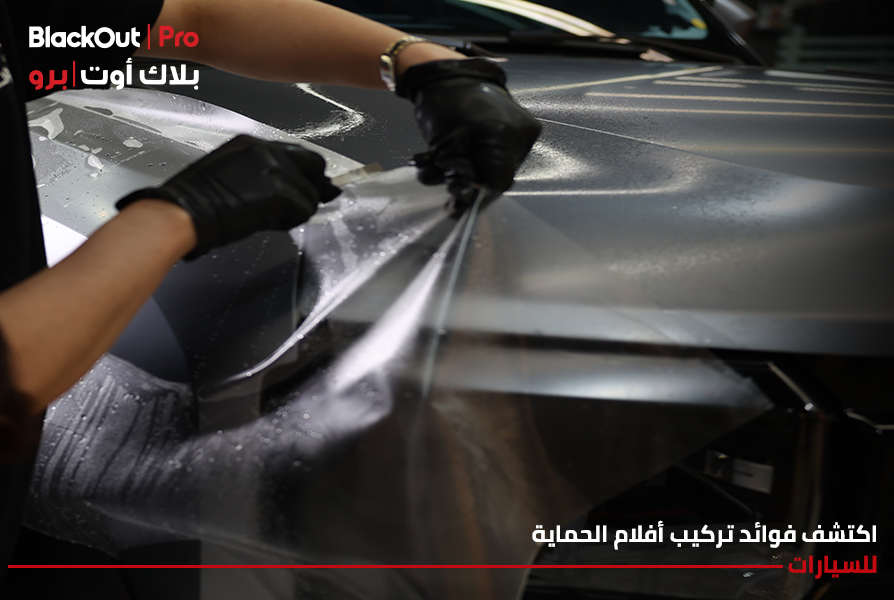
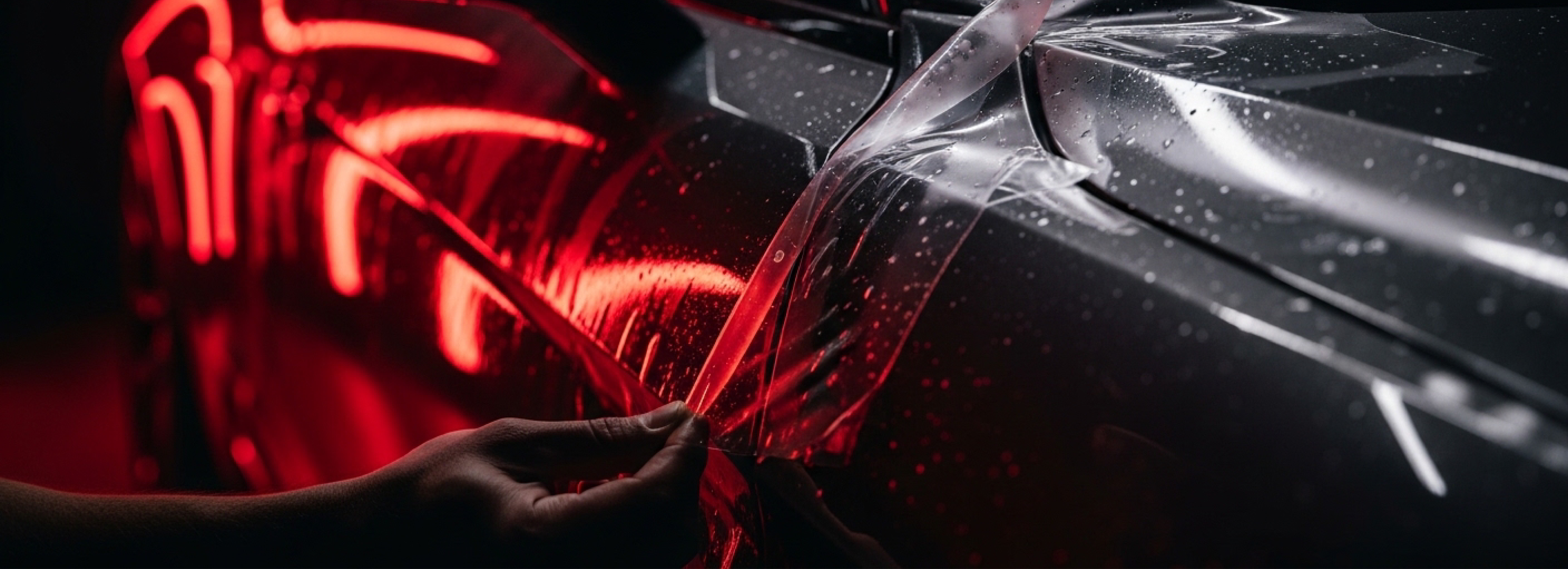
Paint Protection Film (PPF) is a transparent film applied to a vehicle's original paint using a specialized adhesive provided by the film manufacturer to enhance its durability. It is one of the most popular car protection methods in Saudi Arabia due to its numerous benefits, especially in shielding against harmful UV rays and high temperatures. But what are the specific benefits of installing PPF? What are the different types and features? In this article, you will find the answers to all these questions and more.

Benefits of Installing Paint Protection Film
Car maintenance costs can be exorbitant. Therefore, most car owners turn to popular protection methods to safeguard their vehicles from any damage that might lead to high repair bills. Since PPF is the most widespread protection method, here are its primary benefits:

- Superior Protection: PPF provides an elite shield against scratches and abrasions caused by road debris.
- Self-Healing Properties: High-quality films feature "Self-Healing" technology, which automatically repairs minor scratches when exposed to heat (such as sunlight or warm water).
- Environmental Shield: It acts as an insulating layer against harsh environmental factors like extreme heat and acid rain. It also blocks harmful UV rays that can overheat the car and damage its interior components.
- Energy Efficiency: PPF helps reduce air conditioning consumption by insulating the interior from external heat, maintaining a cooler cabin temperature and extending the lifespan of the AC system.
- Hydrophobic Properties: The film is water, dust, and dirt repellent, preventing contaminants from sticking to the surface.
- Preserving Resale Value: One of its greatest advantages is maintaining the original paint's color and luster, which significantly preserves the car's market value when it's time to resell.
Types of Paint Protection Films
There are many types of protection films, categorized based on their appearance and the materials used in their manufacturing:

1. Types Based on Appearance:
- Matte Finish: These films provide a sleek, non-reflective, and understated look to the paint.
- Glossy Finish: These films add a high-shine, brilliant effect to the vehicle’s original color.
- Colored PPF: These films offer all the protective properties of PPF while changing the car's color without the need for a permanent repaint.
2. Types Based on Material:
- TPU (Thermoplastic Polyurethane): These are thin, transparent films made of polyurethane and other high-grade materials. TPU is known for its high flexibility, durability, and resistance to yellowing. It provides superior protection against impacts, scratches, and harsh weather. TPU films feature self-healing properties and can last up to 10 years if installed correctly. This is the preferred and most common type for premium protection.
- PVC (Polyvinyl Chloride): These are budget-friendly options compared to other PPF types. However, they are less flexible and have a harder texture, making them difficult to install. Over time (usually 1 to 3 years), PVC films tend to yellow, lose flexibility, and may harden or crack, which can potentially damage the original paint during removal.

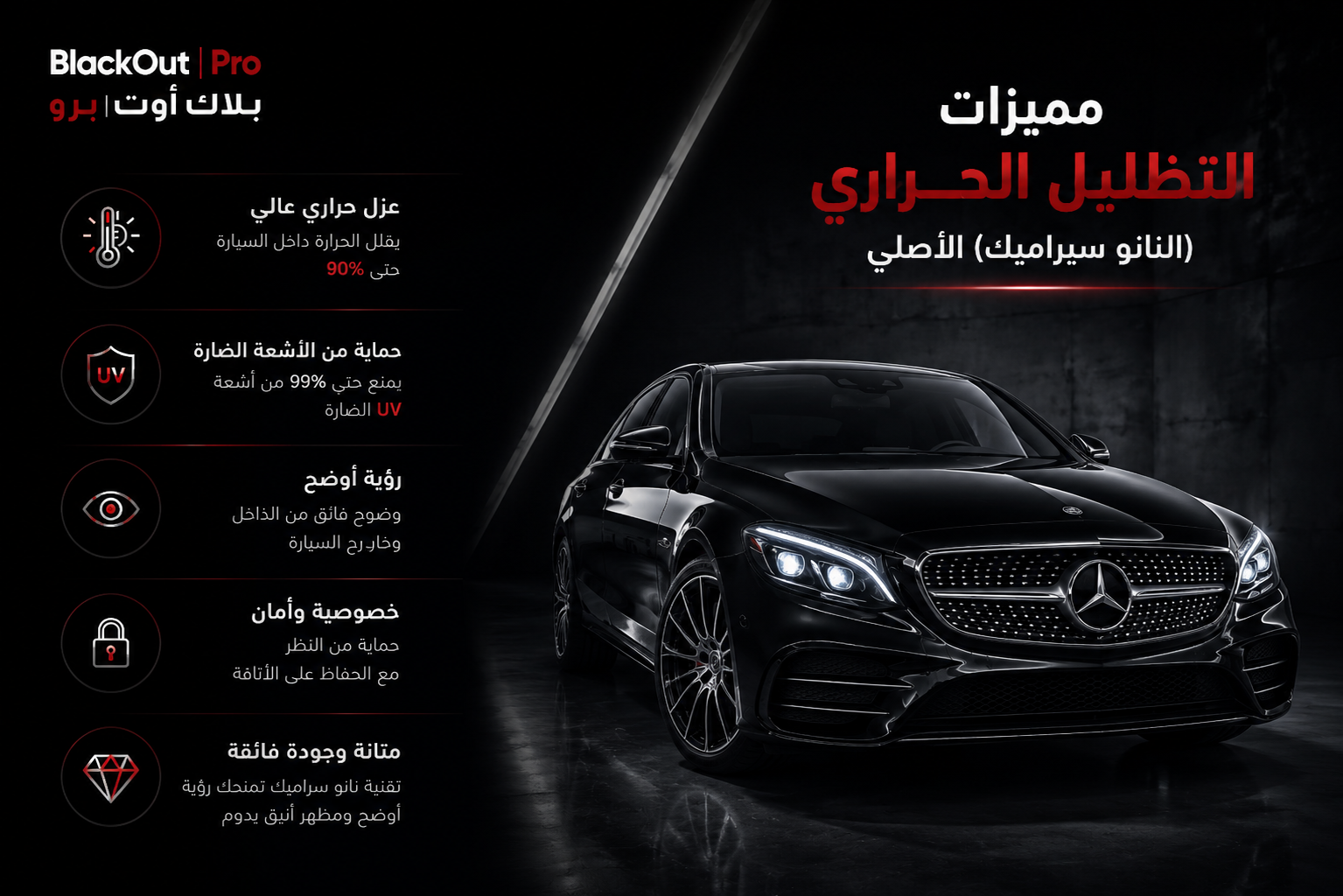
To protect the front of your car with PPF plus thermal insulation and nano ceramic, see the Gold package.
Conclusion
To fully reap the benefits of Paint Protection Film, it is crucial to choose a trusted car care center with a strong reputation, high expertise, and professional technicians. Always ensure they use high-quality films to guarantee the protection your vehicle deserves.