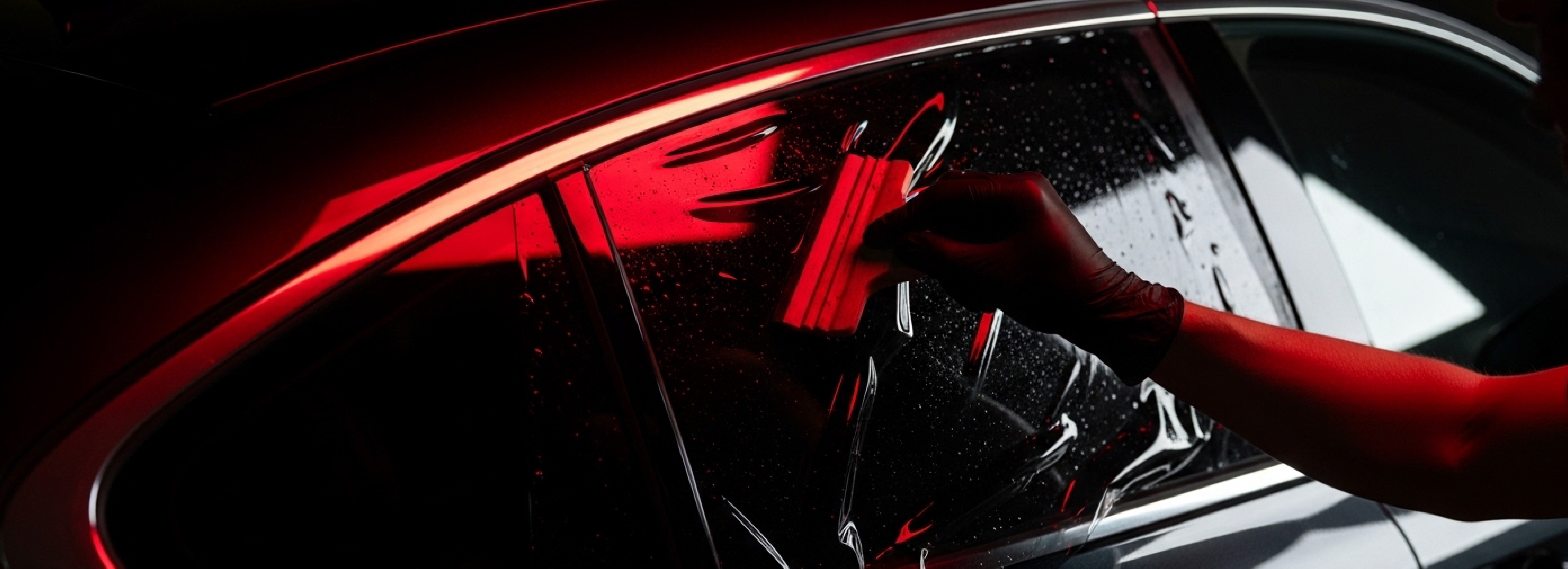
With the rising costs of vehicle maintenance, car owners are increasingly seeking ways to protect their investments. Avoiding costly repairs has made Paint Protection Film (PPF) one of the most sought-after solutions. But what are the different types of PPF? And what specific benefits do they offer? In this article, you will find all the answers you need.

What are the Benefits of Car Protection Films?
- Environmental Barrier: PPF acts as an insulating layer that shields the car from harsh weather and harmful UV rays, which can overheat the cabin and damage interior components.
- Energy Efficiency: By insulating against external heat, it helps maintain a moderate temperature inside the car, reducing the load on the air conditioning system.
- Superior Scratch Protection: It provides an elite defense against scratches and abrasions, specifically protecting the "car's face" (front end) and other vulnerable panels.
- Self-Healing Technology: High-quality films can automatically repair minor scratches when exposed to heat.
- Easy Maintenance: Its hydrophobic and dust-repellent properties ensure that dirt doesn't stick, making the car effortless to clean.
- Value Preservation: It keeps the original paint's color and luster in pristine condition, maintaining the car's resale value.
Types of Car Protection Films
As the industry evolves, several types of PPF have emerged, categorized by material and finish:
1. Categorized by Material:
- TPU (Thermoplastic Polyurethane): The modern gold standard. This thin, transparent film is highly flexible, durable, and resistant to yellowing. It offers superior protection against impacts, road debris, and harsh weather. Its standout feature is Self-Healing, allowing it to absorb shocks and erase scratches when exposed to heat. TPU films are the most popular and can last for over 5 years.
- PVC (Polyvinyl Chloride): The traditional and more budget-friendly alternative. While popular before the rise of TPU, it has notable drawbacks. PVC is stiffer and harder to install. Over time (1–3 years), it tends to lose flexibility, turn yellow, and harden, which can lead to cracking and potential damage to the original paint during removal.
- TPH (Hybrid Film): A blend of TPU and PVC. It offers some of the flexibility of TPU at a price point closer to PVC. While easier to install than pure PVC and offering decent scratch protection, it lacks self-healing properties, has a shorter lifespan (up to 4 years), and is prone to yellowing over time.

2. Categorized by Finish:
Manufacturers offer various finishes to suit different tastes:
- Glossy PPF: Adds a brilliant, high-shine finish that enhances the car's aesthetic while providing full protection.
- Matte (Satin) PPF: Designed for those who prefer a non-reflective, understated look. It provides a sleek matte effect without compromising on safety.
- Colored PPF: Offers high-level protection while allowing you to change your car's color without a permanent repaint.
Tips for Maintaining Your PPF:
To ensure your protection film lasts as long as possible, follow these guidelines:
- Professional Installation: Even the best film will fail if not installed correctly. Ensure it is applied by experts to protect the paint properly.
- Regular Cleaning: Wash your car regularly using mild shampoo or soap and water. Avoid harsh chemicals, abrasive sponges, or coarse polishing materials, especially on the front end.
- Avoid Extreme Exposure: While designed for protection, prolonged exposure to extreme thermal shocks (intense heat followed by freezing cold) can occasionally affect the adhesive's integrity.

To learn more, read our guide on nano ceramic and PPF.
For full-body PPF protection, see the BlackOut Pro Premium package.
To learn more, read our guide on genuine PPF.
Conclusion
In the fast-paced world of automotive care, choosing the right protection is vital. With various types of PPF available based on material, finish, and budget, your goal is to find the perfect balance that suits your car's needs and your personal style.
Read also: Legal Window Tinting Percentages in Saudi Arabia: A Complete Guide.