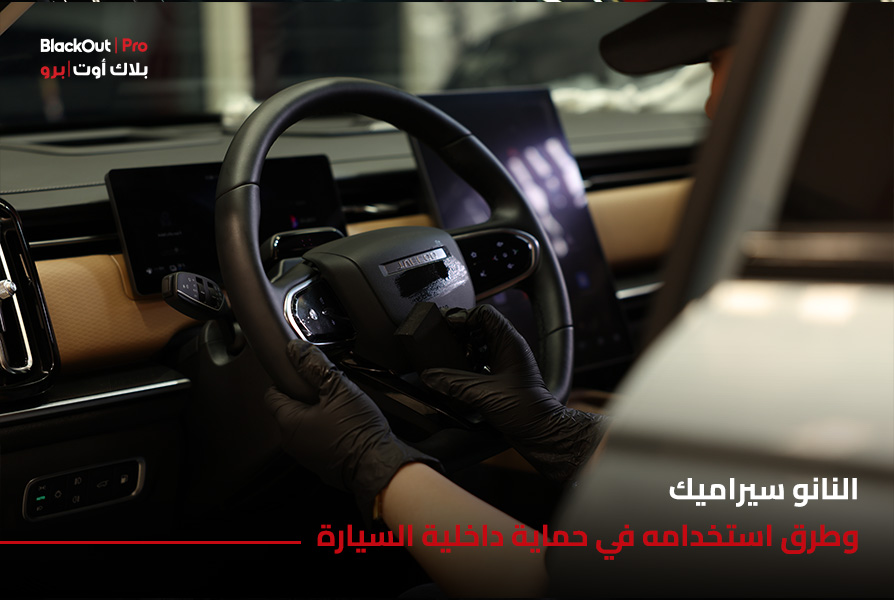
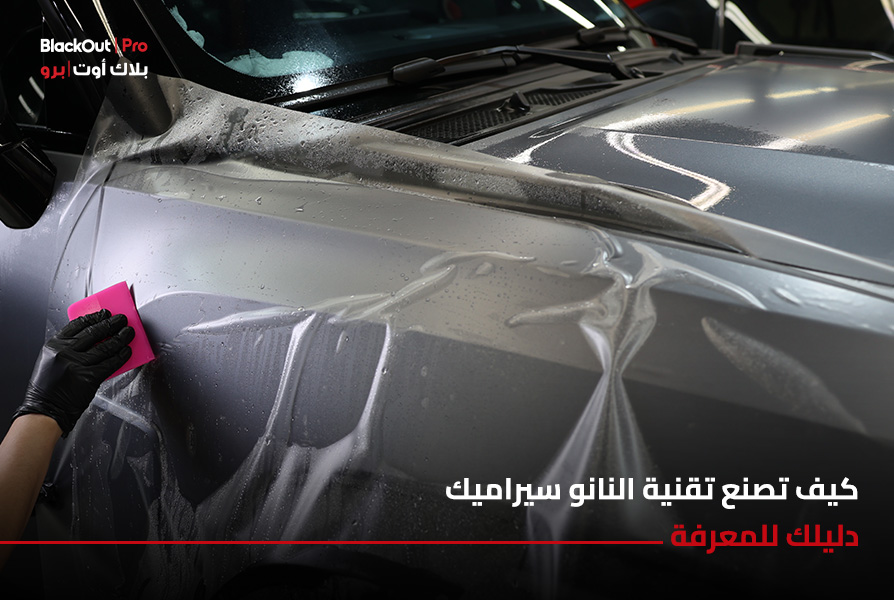
There is no doubt that Nano-Ceramic technology has become one of the most popular and sought-after protection methods due to its superior defense against scratches, impacts, harmful sunlight, dust, and dirt. However, many people wonder: How is it used for interior protection? Why should we apply it inside the car? And which specific parts need nano-protection? You will find the answers to all these questions in this article.

Nano-Ceramic: Application Methods for Interior Protection
The nano-ceramic used for a car's exterior paint differs from the type designed for interior protection. It is specifically applied to the following parts:
Dashboard and Plastic Surfaces
A specialized type of nano-ceramic is used for the dashboard and plastic surfaces. It contains moisturizing agents that prevent plastic from cracking or fading due to harmful UV rays. Since the dashboard is the "heart" of the car's interior, protecting it maintains the vehicle’s aesthetic and resale value. Furthermore, since the dashboard is connected to various other components, preserving it helps maintain the overall integrity of the interior and reduces maintenance costs.

Screens and Buttons
These are critical interior components that must be shielded from radiation that can cause overheating and subsequent failure. A specific type of nano-ceramic is applied to screens and buttons to protect them from damage, saving owners from expensive repair or replacement costs.
Seats and Flooring
Specific nano-ceramic formulas are used for seats depending on their material (leather or fabric). This prevents cracking or wear that can make the interior look aged and significantly lower the car's market value. Nano-ceramic preserves the beauty and quality of the upholstery.
Why Use Nano-Ceramic Inside the Car?
We use nano-ceramic internally to protect components from damage, cracking, fading, and scratches caused by harmful rays or improper cleaning. These issues not only affect the car's appearance but also the functionality of its interior features and its eventual resale price.
Additionally, because nano-ceramic is hydrophobic and dirt-repellent, protected parts are much easier to clean. It prevents the accumulation of dust and stops stains from becoming "stubborn," which often leads to damage when aggressive cleaning methods are used.

Tips for Protecting Your Car’s Interior
Here are some tips to help you protect your car's interior parts and extend the lifespan of the nano-ceramic coating:
- Avoid parking in the sun for long periods: Extended exposure can cause the dashboard to dry out or, in extreme cases, warp.
- Use a car cover: If you must park in sunny areas consistently, use a cover to block direct UV rays.
- Use specialized cleaners: Avoid abrasive materials, alcohol-based products, or household cleaners. Use products specifically designed for car interiors and always apply a conditioner/moisturizer after cleaning the dashboard to prevent cracking.
For professional results, see our nano ceramic coating at BlackOut Pro.
To learn more, read our guide on car interior.
To learn more, read our guide on cost of nano.
Conclusion
You are now fully informed about nano-ceramic interior protection, the parts that require it, and why it is a vital investment for your vehicle.
Also read: The Cost of Nano-Ceramic Installation in Saudi Arabia 2025