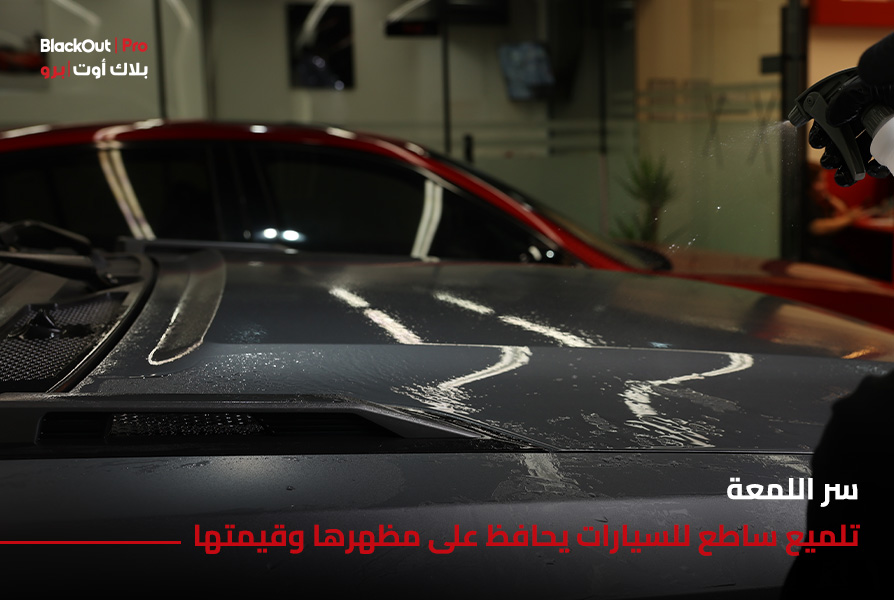
Car polishing is a process owners undertake to restore the original luster of their vehicle's paint. But what is the secret of the shine? How does high-gloss car polishing preserve a car's appearance and market value? What is the best method for exterior polishing? What are the potential drawbacks and how can you avoid them? And how often should you polish your car? You will find the answers to all these questions in this article.

High-Gloss Polishing: Preserving Appearance and Value
Polishing works by restoring the elegance of the exterior paint, as it removes impurities, minor scratches, swirls, and oxidation that dull the finish. It makes the car look brand new. So, how exactly does high-gloss polishing protect your investment?
First: The Secret of the Shine
The secret lies in the technique. There are two main types of polishing:
- Compounding (Heavy Polishing): Used when the paint has deep scratches or obvious defects. This requires abrasive compounds and specialized rotary or dual-action tools.
- Finishing (Fine Polishing): Used for light scratches and minor swirls to enhance the gloss using finer pads and finishing polishes.

Second: How it preserves value
Polishing significantly enhances the car’s aesthetic appeal, making it more attractive to potential buyers. Furthermore, it adds a layer of protection against external factors like harmful UV rays and bird droppings, ensuring the car maintains a high resale value.
The Best Way to Polish Your Car’s Exterior
Follow these steps to achieve a professional-grade shine at home:
- Prepare your tools: You’ll need a high-quality car polish, soft microfiber cloths, a specialized applicator sponge, and water.
- Thorough Wash: Ensure the car is completely clean. Every trace of dust and grit must be removed from the paint surface.
- Application: Apply the polish to the paint and spread it using the sponge in gentle circular motions. Let it haze or dry according to the product instructions.
- Buffing: Remove the residue using a clean microfiber cloth for a mirror-like finish.
Drawbacks of Polishing and How to Avoid Them
While beneficial, improper polishing can cause issues. Here’s how to stay safe:
- Over-polishing: Excessive pressure or frequent polishing can thin the clear coat. Always use the least aggressive method needed.
- Contaminated Tools: Using a dirty or damaged sponge can cause new scratches. Always use fresh, soft applicators.
- Polishing a Dirty Surface: Polishing before a thorough wash will trap dirt and grind it into the paint.
- Excessive Force: Applying too much pressure can cause "burns" or holograms in the paint that are difficult to fix. Use calm, steady motions.
- Wrong Products: Using the wrong chemical compound can discolor or damage the base coat. Always choose a product compatible with your paint type.

How Often Should You Polish Your Car?
There is no "one size fits all" answer, as the frequency depends on your driving environment:
- Harsh Conditions: If you drive daily on rough roads or in extreme weather, you should polish every three months.
- Moderate Conditions: If you drive mostly in the city, park in the shade, and experience mild weather, twice a year is sufficient.
- Occasional Use: If the car is rarely driven and kept covered, once a year is enough to maintain the shine.
Conclusion:
We hope we have answered all your questions regarding car polishing, its benefits, and its precautions. Now that you know the secret of the shine, you can maintain your car’s brilliance and value with confidence.
To learn more, read our guide on polishing methods.
To learn more, read our guide on polishing tools.