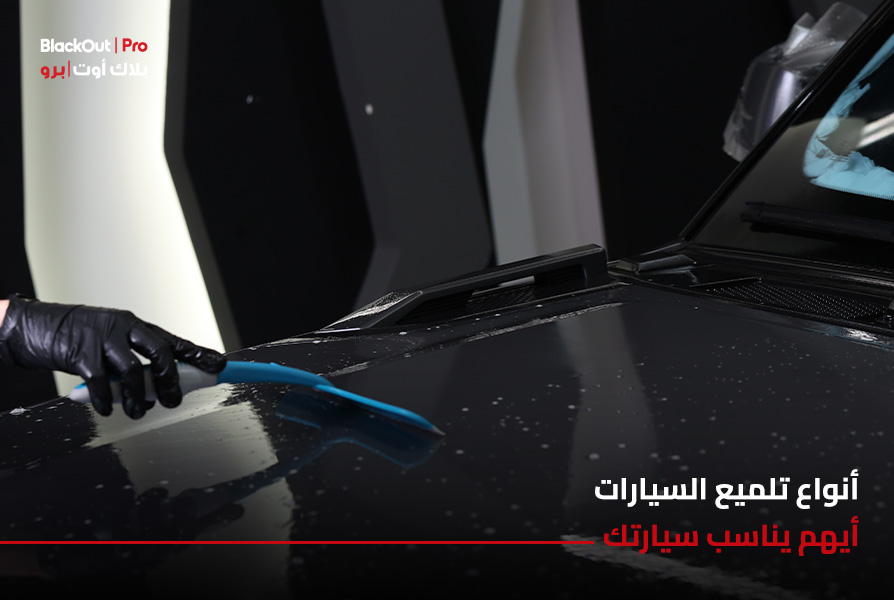
Your car is your personal kingdom, and maintaining its appearance is essential to keep it looking brand new and preserve its original value. Due to the Kingdom’s harsh climate, which accelerates paint deterioration, periodic polishing is a must. Since there are many techniques available, this article will guide you through the types of car polishing to help you decide: Which one is right for your vehicle?

Benefits of Car Polishing
Before diving into the types, it is important to understand that polishing isn't just about restoring shine; its benefits go much further:
- Removing Surface Imperfections: It eliminates light scratches, swirl marks, and paint defects, creating a perfectly smooth surface.
- Eliminating Contaminants: It removes stubborn grime such as bird droppings, insect residue, dust, and water spots that can cause paint to peel over time.
- Providing a Protective Layer: Certain types of polishing, such as Wax or Nano Ceramic, act as a shield against solar heat, harsh weather, and road debris.
- Paint Rejuvenation: It restores the factory-room glow, giving your car an attractive look that boosts the owner's pride and satisfaction.
- Preserving Resale Value: A car that looks brand new always fetches a higher price in the market.
- Extending Paint Life: Maintaining the quality and luster of the clear coat is the best way to ensure the paint lasts for years.

Types of Car Polishing: Which One Suits Your Car?
Choosing the right method depends on the current condition of your paint and your ultimate goal. Here are the main types:
1. Manual Polishing (Hand Polishing)
After washing and drying the car, a suitable polish is applied using a soft applicator sponge in gentle circular motions, then buffed with a microfiber cloth.
- Best for: Enhancing the car's aesthetic and removing very light swirls. It is ideal for DIY enthusiasts who want to maintain their car’s shine at home.

2. Machine Polishing
This is performed in specialized workshops by professional detailers. It involves high-tech tools such as Rotary Polishers, Dual Action (DA) Polishers, or even advanced automated robotic polishing systems.
- Best for: Deep scratches, oxidation, rust spots, or severe paint defects resulting from accidents or neglect. This method levels the clear coat to restore a mirror-like finish.
3. Ceramic or Wax Polishing (Protection Polishing)
This type focuses on adding a protective barrier rather than just correcting the paint. Wax provides a warm glow and water repellency, while Ceramic coatings offer long-term chemical bonding.
- Best for: Protecting the paint from harmful UV rays and preventing dust and dirt from sticking. It significantly extends the paint's lifespan and makes future cleaning much easier.

Pro Tip: To maintain the results of your polish and avoid frequent reapplications, always park your car in the shade or use a high-quality car cover when not in use.
Now that you are familiar with the types of car polishing, which one will you choose for your vehicle?
To learn more, read our guide on environmental.
To learn more, read our guide on polishing cost.